Azerbaijan and the Holocaust
A land that became a refuge, and a community that remembers.
Where the Holocaust did not reach
Azerbaijan is the homeland of one of the world's oldest Jewish communities, with a long tradition of neighborliness and tolerance. During the Second World War the Nazis pushed toward Baku's oil but never reached the city — the front was halted in the Caucasus.
Because of this Azerbaijan became a deep rear and a refuge: thousands were evacuated here, among them Jews from the occupied regions. Azerbaijanis fought against Nazism in the ranks of the Red Army.

A rear and a refuge
Baku's oil was one of the Nazis' chief objectives — Operation Edelweiss. But they never reached the city. Baku took in evacuees and refugees; the Ashkenazi community grew here, and many of its families remained in the city after the war as well.
The Jews of the Caucasus during the war
The Mountain Jews have lived for centuries in the Eastern Caucasus, above all in Krasnaya Sloboda near Quba. In the occupied districts of the Northern Caucasus — for example, in Nalchik — the Mountain Jews faced the Holocaust, and more than a hundred were killed. Often their Muslim neighbors regarded them as a Caucasian people, and this sometimes saved lives.
Memory lives in the community
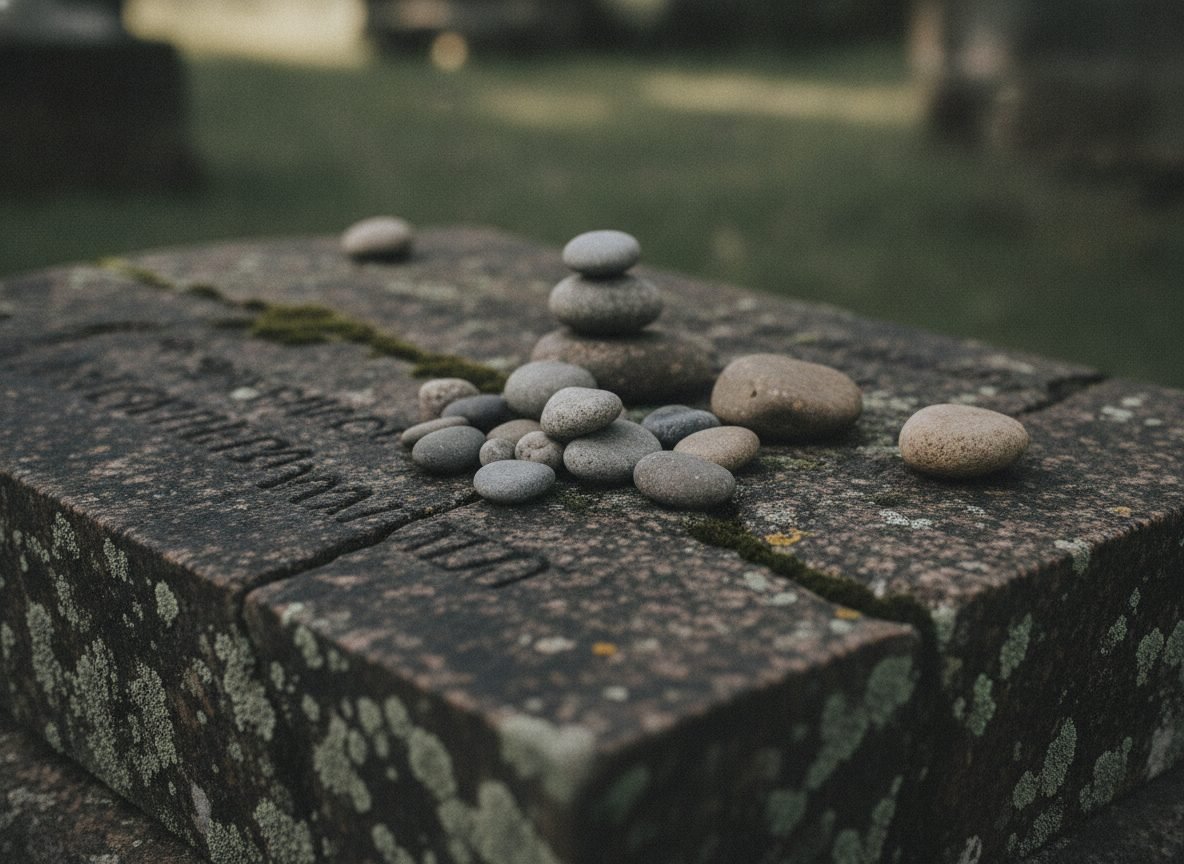
Today the Jewish community of Azerbaijan — Mountain, Ashkenazi and Georgian Jews — keeps the memory of the Holocaust. On Yom HaShoah, candles are lit in the synagogues of Baku and Quba, prayers and names are read, and memory is passed on to new generations.