Remember the Holocaust
Six million Jewish lives. The Day of Remembrance of the Holocaust and Heroism — so that behind the number there remain people, and with each, a name.
The most terrible catastrophe in the history of a people
The Holocaust (in Hebrew, the Shoah) was the persecution and extermination of European Jewry organized by Nazi Germany and its collaborators between 1933 and 1945. About six million Jews were murdered — roughly two-thirds of all the Jews of Europe.
It was not spontaneous violence. The road to the death factories began with words and laws of hatred and passed through the ghettos and the killing pits. This site is a place of remembrance: of the chronicle of the Shoah, of the Day of Remembrance, of Azerbaijan as a refuge, and of how to remember name by name.
Facets of remembrance
The Holocaust
A chronicle, 1933–1945: from the laws of hatred to the death camps and liberation.
Remembrance Day
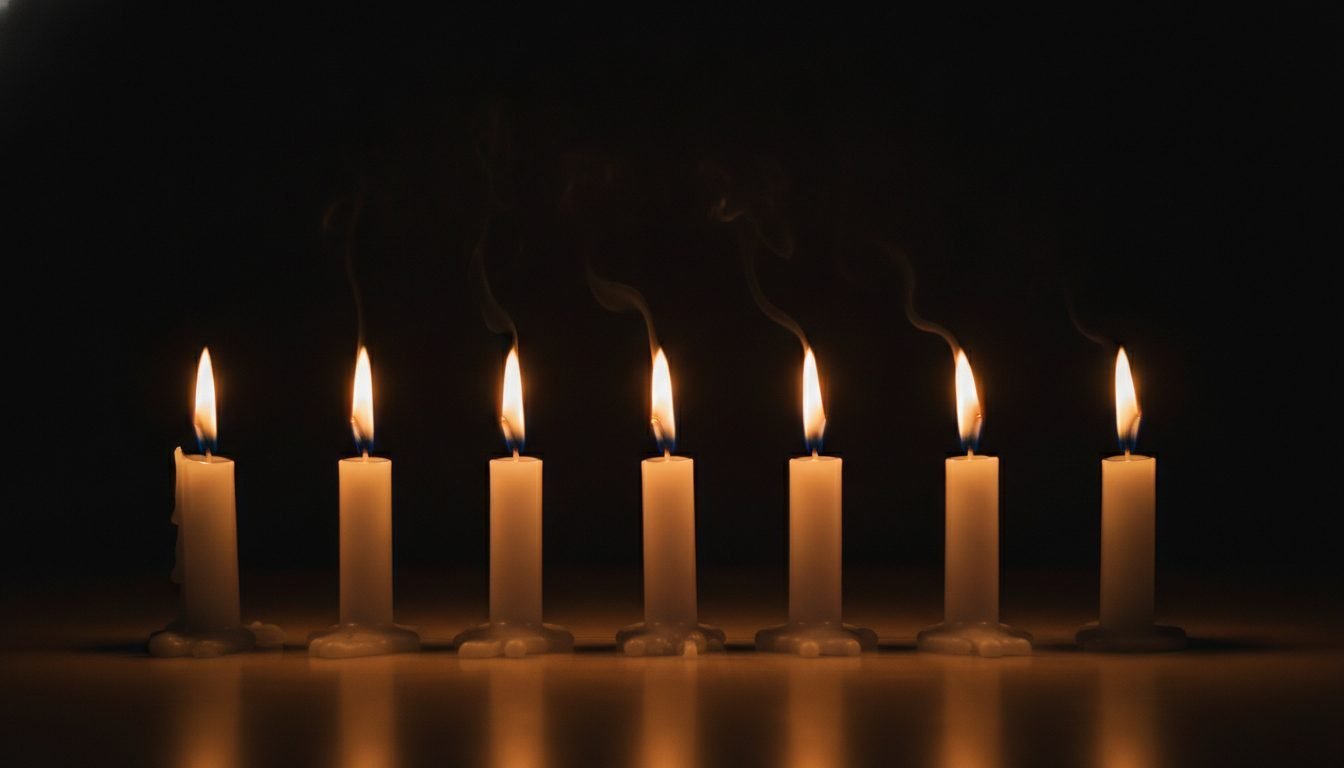
Yom HaShoah, 27 Nisan: the siren, six candles, the reading of names.
Azerbaijan
Baku as a refuge and the Mountain Jews of the Caucasus during the war.
Remember
'Never Again': six million names and the daily labor of memory.
Remembrance in numbers
Each person has a name.
Remembrance in Azerbaijan
Azerbaijan is home to one of the world's oldest Jewish communities. During the war the Nazis pushed for Baku's oil but never reached the city: Azerbaijan became a rear and a refuge for thousands of Jewish refugees. Today the community — Mountain, Ashkenazi and Georgian Jews — marks Yom HaShoah, lighting candles in the synagogues of Baku and Quba.
Read moreThis site is memorial and informational in nature. Figures are from open sources and may differ slightly.