A Date of Remembrance
How This Day Came to Be
The Day of Remembrance was established by the Knesset of Israel in 1951 and enshrined in law in 1959. It was set for the 27th of Nisan — a few days after the anniversary of the Warsaw Ghetto Uprising and shortly before Israel's Memorial Day and Independence Day. Thus the memory of the Holocaust became bound up with both heroism and rebirth.
If the 27th of Nisan falls on a Friday or Sunday, the date is shifted slightly so as not to violate the Sabbath. On this day in Israel, places of entertainment are closed, and radio and television devote their broadcasts to the memory of the victims.
Customs
How Yom HaShoah Is Observed
The Siren of Remembrance
In the morning, a siren sounds across all of Israel for two minutes. Cars stop, people step out and stand frozen in silence — the whole country united in a single gesture of remembrance.
The Reading of Names
In the Knesset, in schools, and in communities, the names of the dead are read aloud — the "Every Person Has a Name" project. In this way the six million cease to be a number and become people.
Six Candles
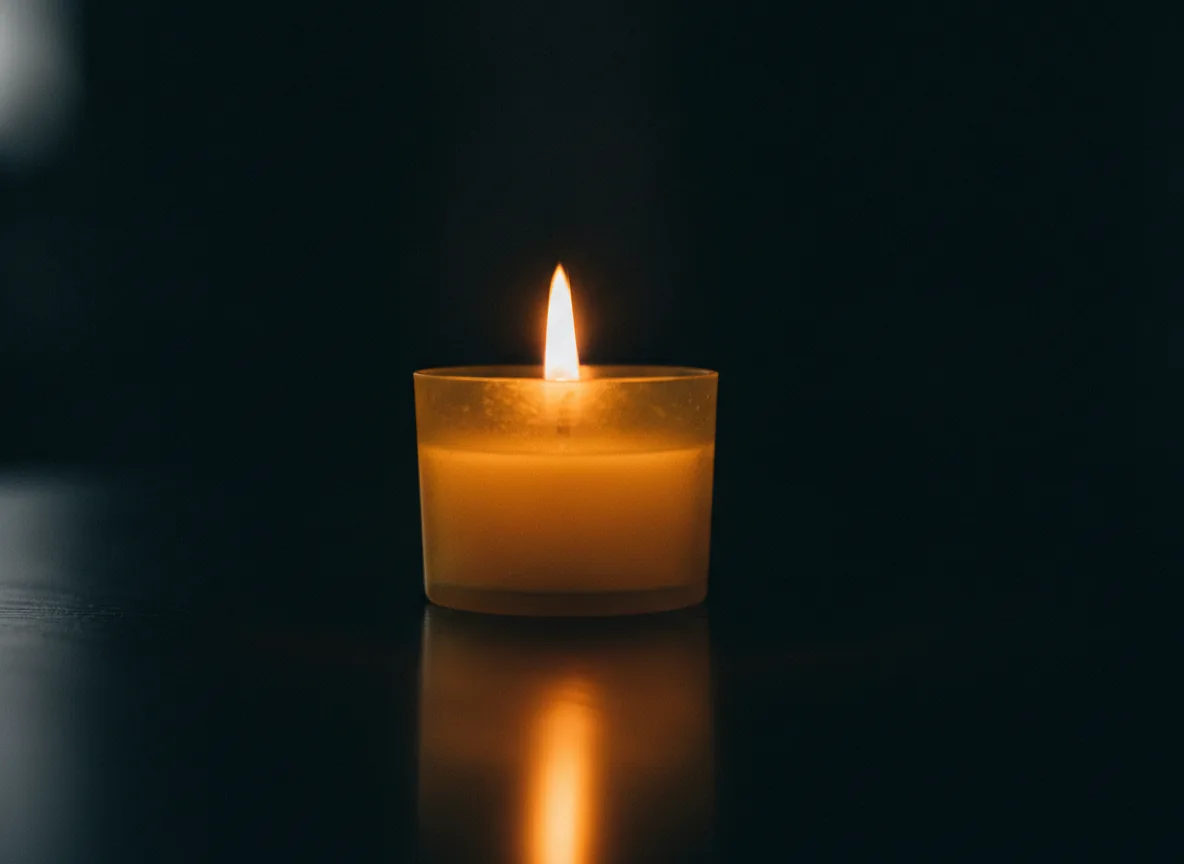
At the central ceremony, six survivors or their descendants light six torches — one for each million who perished. At home and in synagogues, memorial candles are lit.
Yad Vashem
The state ceremony takes place at the Yad Vashem memorial in Jerusalem, home to the Hall of Names — an archive of memory for every known victim of the Holocaust.
Kaddish and Prayers
The memorial prayer "El Male Rachamim" and the Mourner's Kaddish are recited, and psalms are remembered. Rabbis and communities devote the day to study and reflection.
Mourning and Silence
State flags are lowered to half-mast and entertainments are canceled. Many light a "yellow candle of remembrance" and refrain from amusements throughout the day as a sign of mourning.
Names
Every Person Has a Name
The central idea of Yom HaShoah is to give the dead back their names. Behind each number stands a person: a child, a teacher, a doctor, a poet, an entire family and an entire world that was cut short. The reading of names turns an incomprehensible scale into personal, human memory.
"Each of us has a name, given by God and given by our father and mother…"
— Zelda, from the poem that became an anthem of remembrance